Familiar routines can make the day easier to follow for a loved one experiencing memory-related changes. Regular times for waking, meals, personal care, activities, and rest give the day a steady rhythm and reduce the number of unexpected changes they have to manage.
The routine should still feel personal. Your loved one may prefer breakfast at a certain time, enjoy music in the afternoon, or feel more comfortable completing personal care tasks in a familiar order. Keeping those details consistent can make daily life easier to follow without turning every hour into a strict schedule.
A calm setting, familiar activities, and patient communication can support that routine. Together, these small details can help your loved one know what is happening now and what usually comes next.
At Serenity Empire Senior Living, we believe memory support should be built around the person. We use consistent routines, personalized care plans, gentle redirection, structured activities, and close family communication to help residents move through the day with familiar cues and support.
If your loved one would benefit from more structure and personalized memory support, you can review our memory care services to learn how routines, activities, supervision, and daily care are handled.
-
How Consistent Routines Can Make the Day Easier
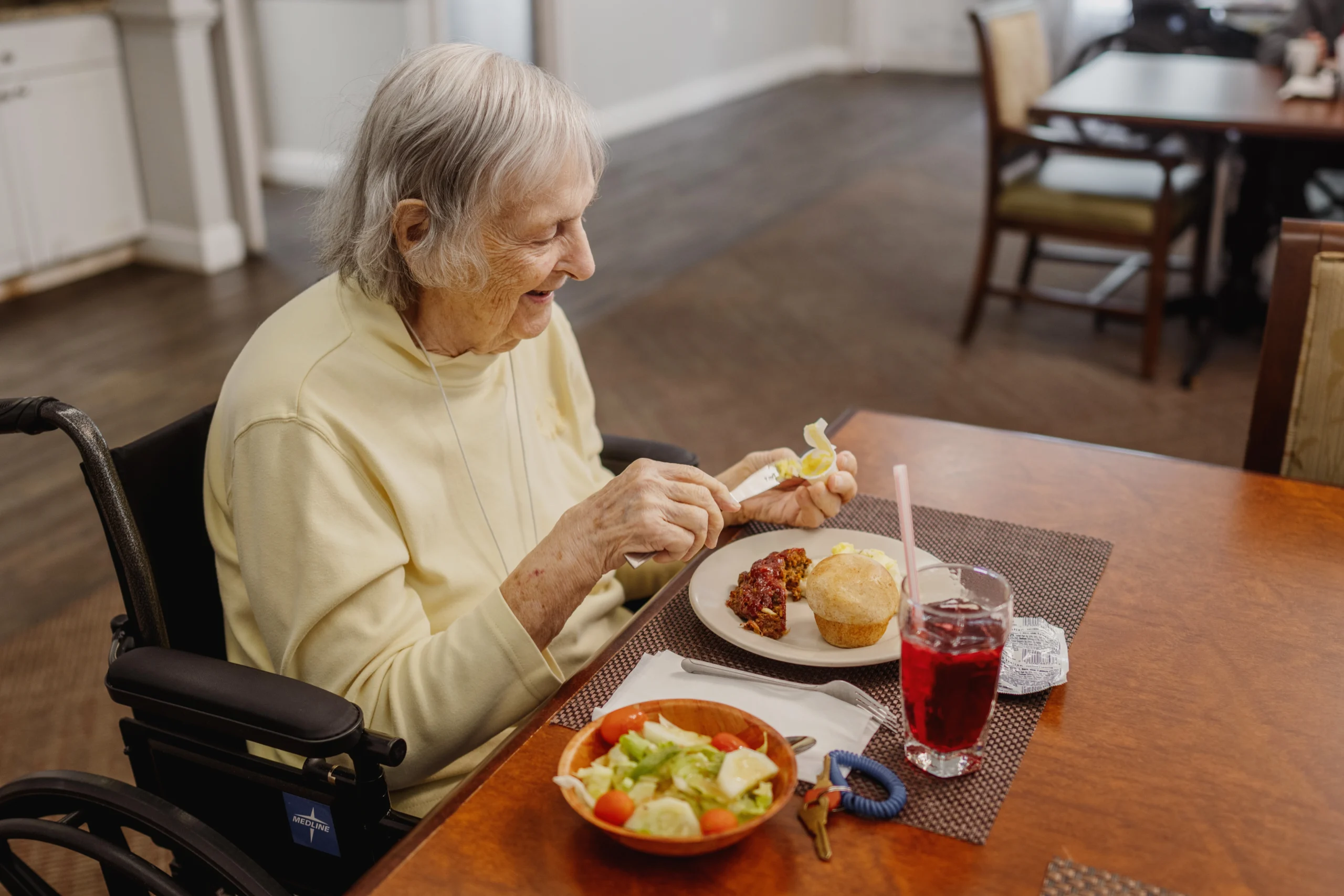
A predictable routine gives your loved one fewer daily decisions to work through. Waking up around the same time, having meals at familiar hours, and following a regular order for personal care can make the day feel easier to recognize.
Morning routines are a good place to start. If your loved one usually gets dressed before breakfast or prefers to sit quietly for a few minutes after waking, keeping that order can help preserve something familiar.
The same idea applies throughout the day. Meals can happen at generally consistent times. Activities can be planned for times when your loved one is usually more comfortable and engaged. Personal care can follow an order they already know.
It also helps to avoid rushing. Extra time for dressing, eating, or moving from one activity to another can make transitions feel less abrupt.
Consistency does not mean every day has to look exactly the same. Appointments happen. Energy levels change. Your loved one may simply want a quieter day. A useful routine gives the day a familiar shape while still leaving room to adjust when needed.
If your family is having a hard time understanding memory care, learning what day-to-day support can include may make the decision feel clearer. That information can help you compare personalized attention, supervision, and structured activities with your loved one’s current routines and support needs.
-
Familiar Activities and Calm Surroundings Can Support the Routine
A routine is easier to follow when the surroundings also feel familiar. Personal belongings, favorite music, photographs, and familiar activities can make a room or shared space feel more recognizable.
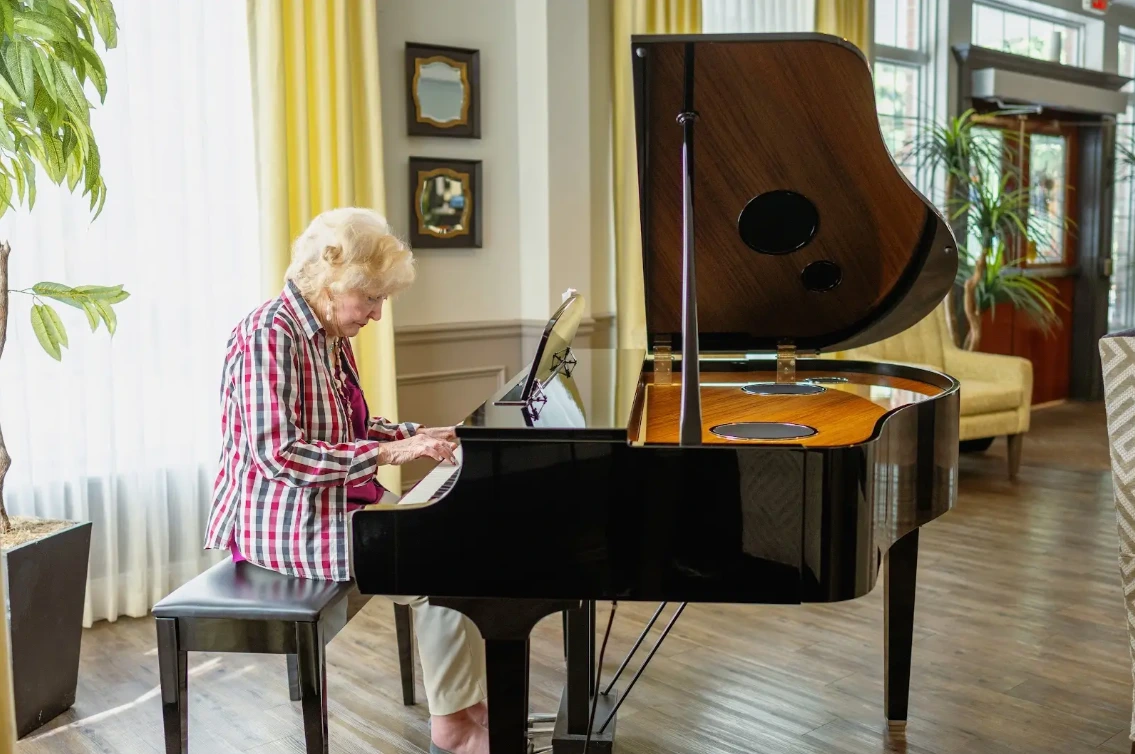
Music can fit naturally into the day. Your loved one might enjoy listening to favorite songs in the afternoon, singing along, or hearing familiar music during a quiet activity. Simple crafts, puzzles, photo albums, or other interests can also become part of a regular routine.
At Serenity Empire Senior Living, The Olive Branch Memory Residence is our dedicated memory support neighborhood designed around structure, familiarity, and gentle guidance. The setting includes consistent daily routines, calm surroundings, structured cognitive engagement activities, personalized care plans, and trained supervision around the clock.
Our brain fitness and memory enhancement courses can also provide structured opportunities for engagement. These activities are part of the daily experience rather than medical treatment, and they should not be viewed as a way to restore or prevent changes in memory.
Communication matters as much as the activity itself. Short, clear directions may be easier to follow than several instructions given at once. When plans change, gentle redirection and a calm tone can help the transition feel less sudden.
Quiet spaces can be helpful too. Some days may include more activity, while others may call for a slower pace. The goal is to keep enough familiarity in the day that your loved one still recognizes the rhythm, even when individual plans change.
-
Family Communication Helps Keep Routines Personal
You often know the details that make your loved one’s day feel normal.
That might include when they prefer to wake up, what they like for breakfast, which songs they enjoy, how they usually prepare for bed, or which activities they tend to avoid. Even small preferences can help the care team understand how to approach the day.
Useful details to share may include:
- Usual wake-up and bedtime routines
- Favorite meals and snacks
- Music, hobbies, and familiar activities
- Personal care habits
- Words or approaches that help when your loved one becomes unsure
- Family traditions
- Activities they usually enjoy or prefer to skip
At Serenity Empire Senior Living, we encourage you to share the routines, preferences, and familiar details that help us understand how your loved one prefers to move through the day.
That information can also change over time. A favorite activity may become tiring, or a different mealtime may start working better. Regular communication helps the routine stay practical rather than forcing your loved one to keep following something that no longer fits.
Daily routines are one of the senior care considerations to think about alongside supervision needs, comfort, location, family involvement, and the amount of daily help your loved one may need. Looking at these pieces together can help you judge whether a community’s approach fits the way your loved one lives now. It also gives you a clearer basis for comparing different care options.
-
Building a Routine Around Your Loved One
A helpful routine starts with what your loved one already knows. Familiar mealtimes, personal care habits, favorite activities, and regular periods of rest can give the day a clearer shape without making it feel rigid.
From there, the level of guidance can be adjusted to match their needs. Some people may need reminders and gentle redirection. Others may benefit from closer supervision and more hands-on help with daily routines.
Those needs may change, so the routine should be able to change with them. Keeping family communication open and paying attention to what feels comfortable can help the day remain familiar and manageable.
If you are considering memory support for your loved one, you can get in touch with us to talk through their daily habits, comfort needs, and the type of care that may fit them best.