A senior living tour should help your family understand care, safety, daily routines, staff support, meals, activities, living spaces, and next steps. The best questions focus on what your loved one needs now, what may change later, and whether the community feels respectful, comfortable, and practical for your family.
At Serenity Empire Senior Living, we know that touring a senior living community can feel like a big step. You may be asking questions for a parent, spouse, relative, or close family friend. You may also be trying to balance emotions, practical needs, timing, and family opinions.
A good tour should not make the decision feel harder. It should give you clear answers, help you compare options, and show whether the community can support your loved one with care, dignity, and comfort.
If your family is still comparing care levels, location, and support needs, start with our guide on choosing assisted living and senior care in West Georgia and Metro Atlanta.
Why a Senior Living Tour Matters
A senior living tour matters because it shows you what daily life could look like for your loved one. Photos and service descriptions can help, but a visit gives your family a better feel for the people, spaces, routines, and support available.
During a tour, you can observe how the community feels. Is it calm? Is it welcoming? Do team members answer questions clearly? Do residents seem comfortable? Can you picture your loved one there?
A tour also gives you the chance to explain your loved one’s needs in real terms. For example, you can talk about whether they need help with bathing, dressing, meals, medication reminders, mobility, social connection, memory support, or short-term care.
The goal is not to ask every possible question. The goal is to ask the right questions so your family leaves with more clarity.
Questions to Ask About Care Needs
The most important tour questions should focus on your loved one’s current care needs and how those needs may change over time. This helps your family understand whether the community can provide the right level of daily support.
Before your visit, it helps to understand which care option fits your loved one’s needs, from assisted living to memory care, respite care, personal care, or adult day center support.
Ask questions like:
- What types of care do you provide?
- How do you learn about each resident’s needs?
- How are care plans created?
- How often are care plans reviewed?
- What happens if my loved one’s needs change?
- Can you explain the difference between assisted living, personal care, memory care, respite care, and adult day center support?
- How do you help residents who need support with bathing, dressing, grooming, or meals?
- How do you support residents who want independence but still need daily help?
These questions help you understand whether the community is prepared to support your loved one now and in the future.
It is also helpful to bring notes about your loved one’s current routine. Include what they can do independently, where they need help, and what concerns your family most. This gives the team a clearer picture during the conversation.
Questions to Ask About Staff Support
Staff support is one of the most important parts of senior living because residents depend on team members for daily assistance, safety, communication, and comfort. Families should ask how support is provided throughout the day and night.
Good questions include:
- Is staff available 24/7?
- How do residents request help?
- How do team members respond if a resident needs assistance?
- How do you support residents during mornings, meals, activities, and evenings?
- How do you communicate with families if something changes?
- Who should family members contact with care questions?
- How do you help new residents adjust after move-in?
Listen for clear, practical answers. You should feel that the team understands daily care, not just general service descriptions.
Also pay attention to how questions are answered. Are the answers patient and specific? Does the team ask about your loved one’s personality, preferences, and needs? A thoughtful conversation can tell you a lot about the kind of support your family may receive after move-in.
Questions to Ask About Safety
Safety questions help families understand how a community supports residents in everyday situations, not only during emergencies. The goal is to learn how the environment, routines, and team members work together to help residents feel secure.
Ask questions such as:
- How do you support residents who need help moving around?
- How are daily routines structured to reduce confusion or stress?
- How do team members check in with residents?
- What safety features are part of the living spaces?
- How do you support residents who may be at risk of wandering?
- How do you handle urgent concerns?
- How do families receive updates if something happens?
Avoid looking only for one perfect answer. Instead, listen for a thoughtful approach. Safety in senior living often comes from many small details working together, including staff awareness, clear routines, accessible spaces, and family communication.
If your loved one has memory-related concerns, ask how the community supports structure, supervision, and daily comfort. Keep the conversation focused on support needs, not diagnosis or medical outcomes.
Questions to Ask About Daily Life
Daily life matters because your loved one will not only receive care. They will live in the community, build routines, share meals, join activities, and spend time with others.
Ask questions like:
- What does a typical day look like?
- What kinds of activities are available?
- Are activities optional?
- How do you encourage residents to participate?
- How are meals served?
- Can residents share preferences or dietary needs?
- Are housekeeping and laundry included?
- Is transportation available for appointments or outings?
- How do residents spend time with family and visitors?
These questions help your family picture the experience beyond care tasks. A community should support comfort, connection, and routine.
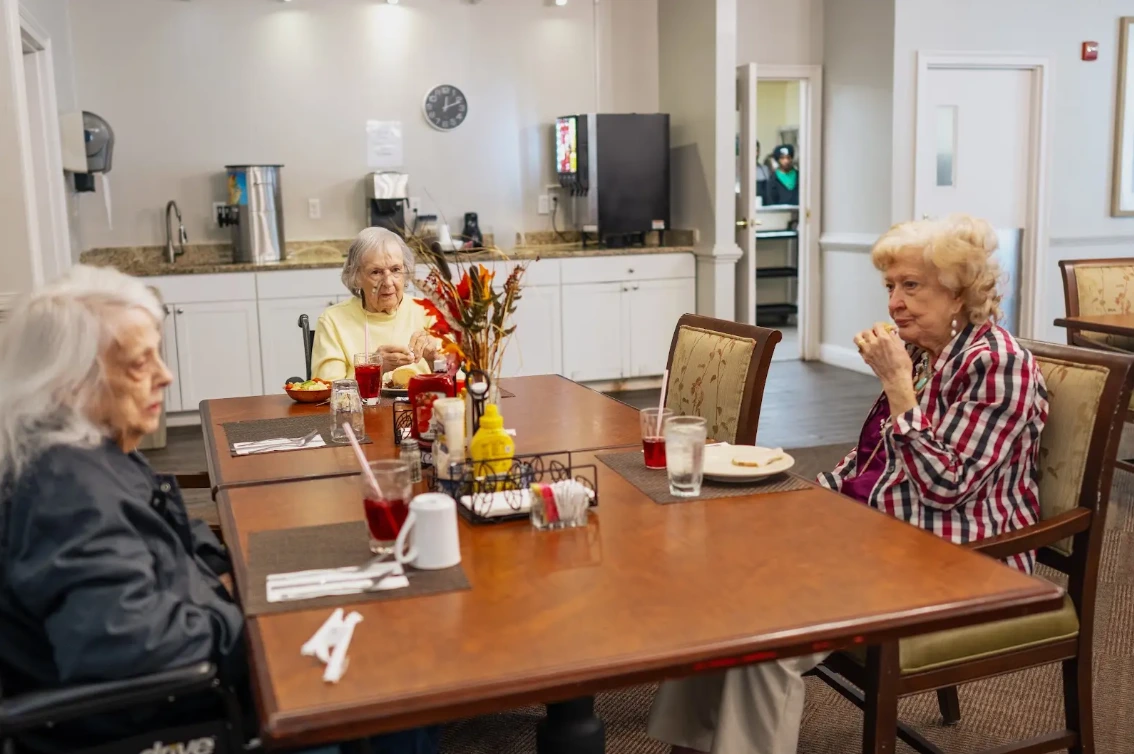
During the tour, notice the common areas. Are they inviting? Are residents using them? Are activities posted or explained? Does the dining space feel comfortable? These observations can help you understand whether the community feels like a place your loved one could settle into.
Questions to Ask About Living Spaces
Living spaces matter because your loved one should feel comfortable, respected, and able to make the space feel personal. A room or apartment is not just a place to sleep. It becomes part of their daily routine.
Ask:
- What living space options are available?
- Can residents personalize their space?
- What furniture or personal items can they bring?
- How is privacy supported?
- How close are rooms to dining, activities, and common areas?
- Are bathrooms easy to access?
- How are housekeeping and maintenance handled?
- What should families bring during move-in?
As you walk through the living spaces, think about your loved one’s habits. Would they feel comfortable here? Is the space easy to move through? Could familiar photos, bedding, or favorite items help the room feel like home?
Small details can make the transition easier. Familiar surroundings, personal belongings, and respectful support can help a resident feel more settled.
Questions to Ask About Family Communication
Family communication is important because senior care works best when families know how to stay involved. You should understand who to contact, when updates are shared, and how concerns are handled.
Ask questions such as:
- How do you keep families informed?
- Who will be our main point of contact?
- How do families ask questions after move-in?
- How are care changes communicated?
- Can families participate in care discussions?
- How do you support families during the transition?
- What should we do if we have a concern?
Clear communication can reduce stress for everyone. Families should not feel unsure about who to call or how to ask questions.
It is also helpful to ask how the team supports emotional adjustment. Moving into senior living can be a change for both the resident and the family. A caring team should understand that the first few weeks may require patience, reassurance, and extra communication.
Questions to Ask About Costs and Current Availability
Families should ask clear questions about costs and availability so they understand what is included, what may vary, and what next steps are required. Every family situation is different, so it is best to discuss details directly during or after the tour.
Ask:
- What is included in the monthly cost?
- Are there added costs for certain services?
- How are care needs reviewed for pricing?
- What information do you need from our family?
- What living spaces are currently available?
- Is there a waitlist?
- What paperwork is needed before move-in?
- What timeline should we expect?
Avoid making assumptions based only on what another family experienced. Your loved one’s needs, preferred location, care level, and timing can all affect the next steps.
If something is unclear, ask the team to explain it in simple terms. You should leave with a practical understanding of what happens next.
What to Observe During the Tour
What you observe during a senior living tour can be just as useful as the answers you receive. Families should pay attention to the feel of the community, the way team members communicate, and whether the environment seems comfortable for their loved one.
Look for:
- A welcoming atmosphere
- Clean and comfortable common areas
- Respectful communication from team members
- Clear answers to care questions
- Residents who appear comfortable
- Easy-to-understand routines
- Inviting dining and activity spaces
- Living spaces that can feel personal
- A team that listens to your concerns
Trust your observations, but balance them with questions. A community may look nice but still not be the right fit. Another community may feel warm and practical because the people, routines, and care approach match your loved one’s needs.
The best tour gives you both: a good feeling and clear information.
What to Bring to a Senior Living Tour
Bringing the right information helps your family get better answers during the tour. You do not need to arrive with everything figured out, but a few notes can make the conversation more useful.
Bring:
- A list of your loved one’s daily needs
- Current concerns at home
- Questions from family members
- Notes about meals, mobility, memory concerns, or personal routines
- A preferred timeline, if your family has one
- Any must-have location or room preferences
- A notebook or phone for notes
If possible, bring the family members involved in the decision. If your loved one is comfortable attending, include them too. Their reactions to the space, people, and routine matter.
After the visit, compare notes. Discuss what felt clear, what still needs an answer, and whether the community seems like a place where your loved one could feel supported.
How Serenity Empire Senior Living Helps Families Prepare
At Serenity Empire Senior Living, we help families ask the right questions, compare care options, and understand what daily support can look like for their loved one. We make sure to deliver care with passion while helping each family move at a pace that feels thoughtful and informed.
We know families often come to a tour with mixed emotions. Some feel ready. Some feel unsure. Some are trying to plan ahead before a situation becomes urgent.
Our role is to listen, explain, and help you understand the available options. Whether your family is considering assisted living, memory care, personal care, respite care, or adult day center support, we can walk you through what may fit your loved one’s needs.
A tour is not only about seeing the community. It is about having a helpful conversation. We want families to leave feeling more prepared, not pressured.
FAQs About Senior Living Tours
What should I ask first on a senior living tour?
Start by asking which care options fit your loved one’s needs. This helps the team explain the most relevant support and keeps the conversation focused.
Should my loved one attend the tour?
If your loved one feels comfortable attending, it can be helpful. They can see the space, meet the team, and share what matters to them.
How long does a senior living tour take?
Tour length can vary depending on the community, your questions, and the services you want to discuss. Call ahead to confirm what to expect.
What should I do after the tour?
After the tour, review your notes, talk with your family, and follow up with any unanswered questions. The next step should feel clear and comfortable.
Final Thoughts
A senior living tour should help your family move from uncertainty to clarity. Ask about care, safety, staff support, daily life, living spaces, family communication, costs, and next steps. The more prepared you are, the easier it becomes to compare options with confidence.
At Serenity Empire Senior Living, we are here to help your family ask the right questions and understand the care options available in West Georgia and Metro Atlanta. If your family is ready to ask questions, compare care options, or talk through the next step, contact us.