If your loved one needs regular help with personal routines, a personal care home can provide residential support with bathing, dressing, medication management, meals, and activities. The goal is to make daily life more manageable while respecting the choices, habits, and abilities your loved one still has.
A personal care home includes more than help with specific tasks. Comfortable surroundings, prepared meals, household assistance, social opportunities, and access to care staff can all shape how supported and connected your loved one feels each day.
At Serenity Empire Senior Living, we provide personalized care in a welcoming residential setting where your loved one can receive daily assistance while continuing familiar routines and making everyday choices.
If you are comparing care options for your loved one, you can check our personal care home services and amenities to learn about daily assistance, meals, wellness activities, and community features.
Five Types of Support a Personal Care Home May Include
The right setting should focus on areas where your loved one needs help without taking over tasks they can still manage. Services may vary by care plan and availability, but these five areas are common parts of personal care.
1. Help with Personal Routines
Your loved one may receive assistance with bathing, dressing, grooming, toileting, or minimal transfers. This support should protect privacy and dignity while allowing them to stay involved in each task as much as they comfortably can.
2. Medication Administration and Management
Medication support can help your loved one follow the instructions and schedule already established for them. The care team does not replace a doctor or pharmacist, but it can manage the daily process according to the resident’s care plan and community procedures.
3. Access to Care Team Members Around the Clock
Having staff on-site 24 hours a day can give your loved one access to help with daily needs at any time. A licensed nurse is also available. Ask how after-hours assistance works and which needs the team can address.
4. Prepared Meals and Household Assistance
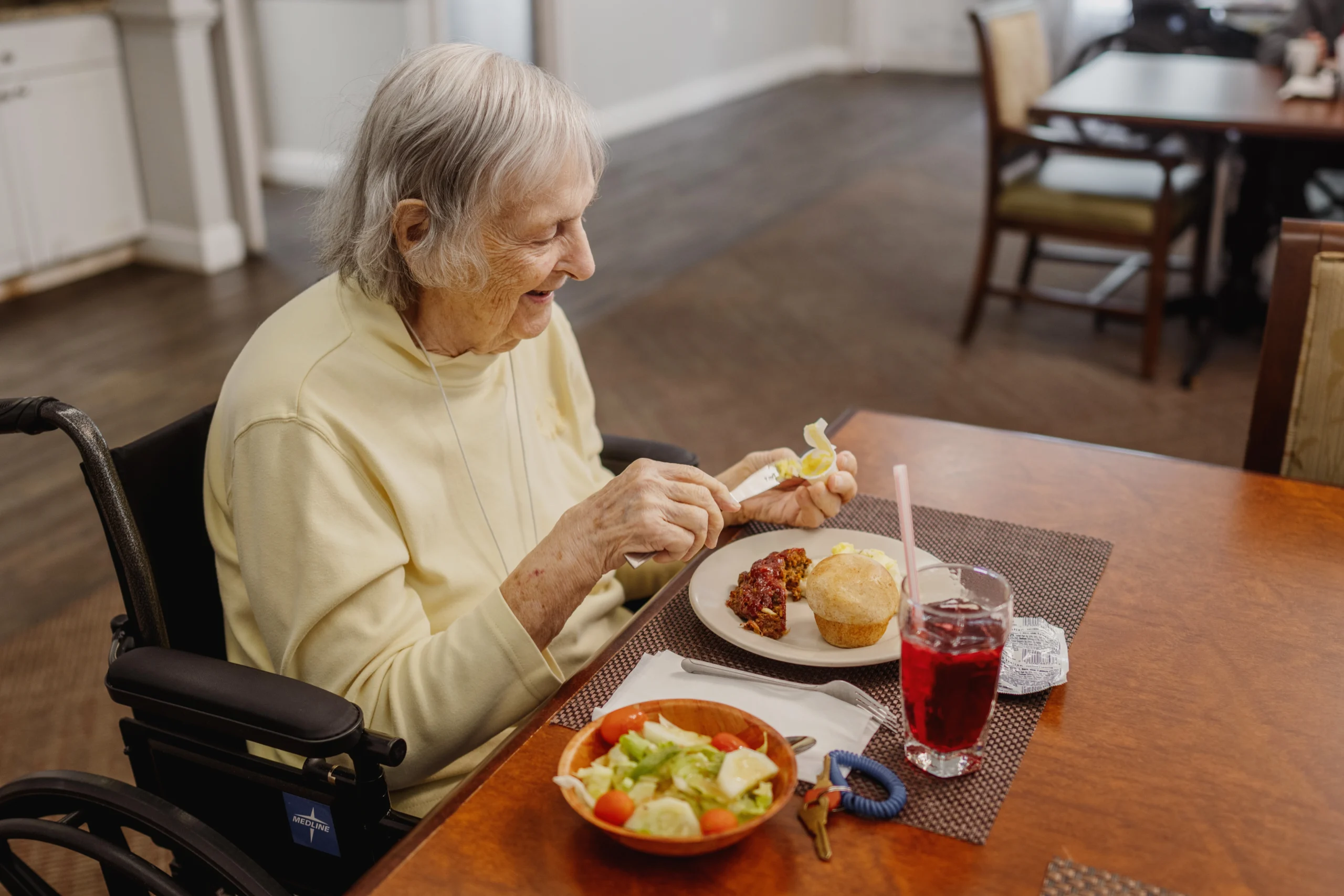
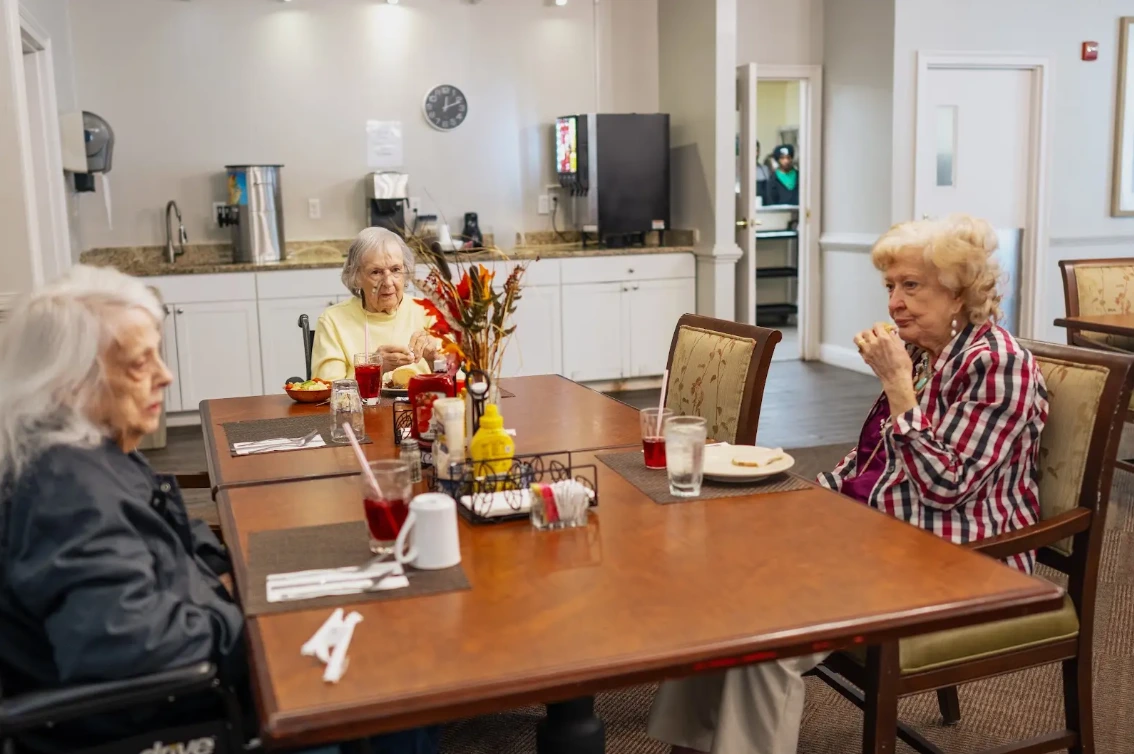
Nutritious meals may be served each day, with flexible options, snacks, and beverages available throughout the day. Household support can also reduce the burden of cleaning and other daily chores. Ask how dietary needs and available accommodations are handled.
5. Fitness, Wellness, and Social Activities
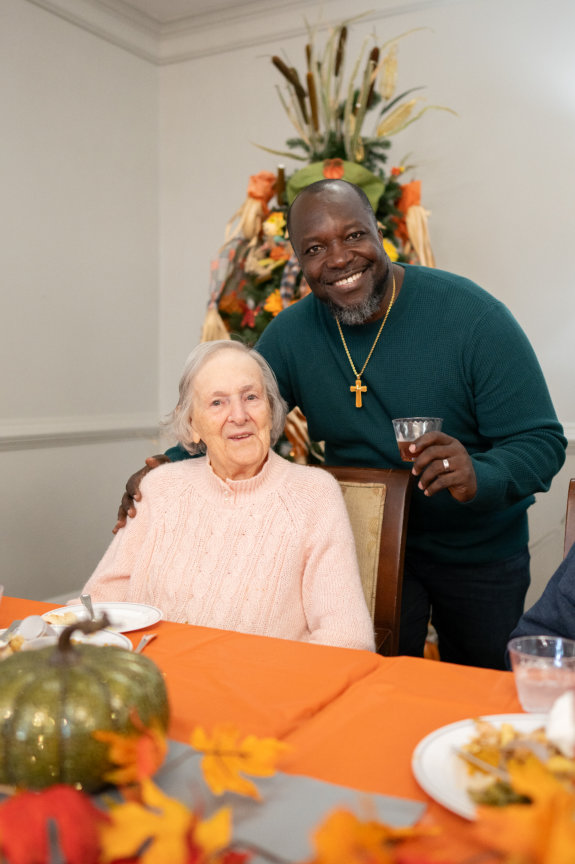
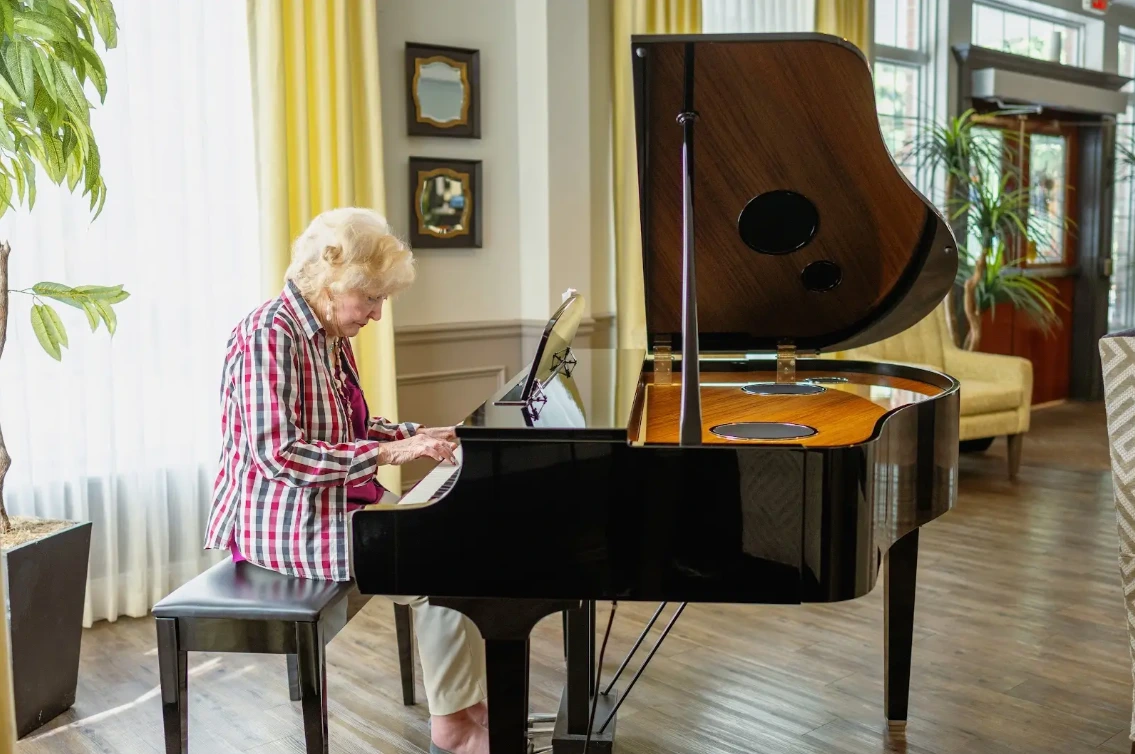
Fitness classes, wellness activities, arts and crafts, events, and other shared programs can give your loved one ways to stay active and spend time with others. Participation should reflect their interests, abilities, and comfort level.
How Personal Care Balances Assistance and Independence
Receiving help does not mean your loved one has to give up control over daily life. A well-planned care arrangement should focus on tasks that have become difficult while preserving familiar routines, preferences, and abilities.
That balance may look different for each resident. One person may need help with dressing and medications but still choose their activities and manage parts of their morning routine. Another may benefit from more guidance while still making choices about meals, clothing, and how to spend the day.
A visit can help you see how personal care, meals, activities, living spaces, and family communication are handled. Prepare a few questions before the tour so you can focus on what matters most to your loved one.
Ask how care plans are reviewed and how changes are shared with you. Clear communication can help you understand whether the current level of assistance still fits your loved one’s needs.
Choosing a Personal Care Home That Fits Your Loved One
The right personal care home should match your loved one’s daily needs, routines, comfort level, and interest in community life. Look beyond the service list and notice how team members speak with residents, how the living spaces feel, and whether your loved one can picture themselves there.
At Serenity Empire Senior Living, we provide a comprehensive range of services, from assisted living and personal care to memory care, respite care, and adult day services, so you can explore the level of help that may fit your loved one’s needs.
Choosing a personal care home also means looking beyond the services included. Your loved one’s daily needs, comfort, preferred location, family access, and available care are important factors to consider before choosing senior care.
If you are considering a personal care home for your loved one, you can contact us so our care team can answer your questions and help you understand which services may fit their daily needs.