As your loved one gets older, staying connected can take more effort. Driving less, changes in mobility, retirement, or having friends and relatives farther away can make everyday interaction less convenient. Senior living can make connection easier by bringing meals, activities, shared spaces, and familiar faces into the normal flow of the day.
Your loved one does not need to become more outgoing to benefit from being around other people. Some residents enjoy group activities and busy dining rooms. Others prefer a quiet conversation, a shared meal with one or two people, or simply spending time in a common area where interaction happens naturally.
What matters is having regular chances to connect in ways that feel comfortable.
At Serenity Empire Senior Living, we understand that people socialize differently. We encourage residents to take part in meals, activities, conversations, and shared experiences at a pace that fits their personality and comfort level.
If you are looking for a setting where your loved one can receive daily help while still having regular opportunities to spend time with others, you can review our assisted living services to learn about meals, activities, living spaces, and available support.
- Why Social Connection Can Become Harder With Age
For many older adults, the issue is simple. There are fewer built-in chances to see other people.
Retirement may mean less contact with coworkers. Friends can move away, and adult children may live in another city. If your loved one drives less often, getting to church, lunch with a friend, or a community activity may take more planning than it used to.
Mobility can change the routine too. A person who once walked to a neighbor’s home or went out several times a week may start spending more time at home because leaving the house takes more effort.
That does not automatically mean your loved one is lonely. Some people are naturally private and prefer a smaller social circle. The more useful question is whether they still have access to the kind of contact they enjoy.
Senior living can make that easier. Your loved one can see other people without having to arrange transportation or plan every interaction ahead of time.
- Everyday Routines Can Create Natural Opportunities to Connect
A lot of social contact happens during ordinary moments.
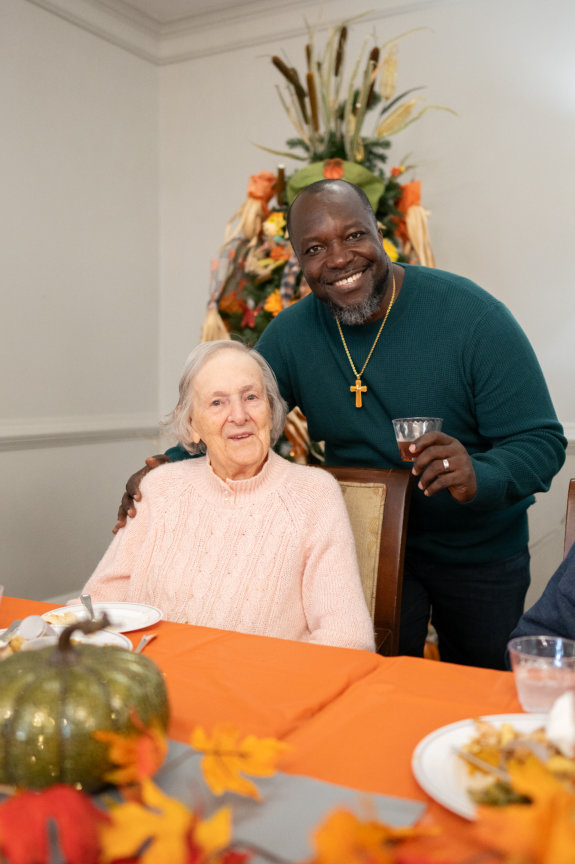
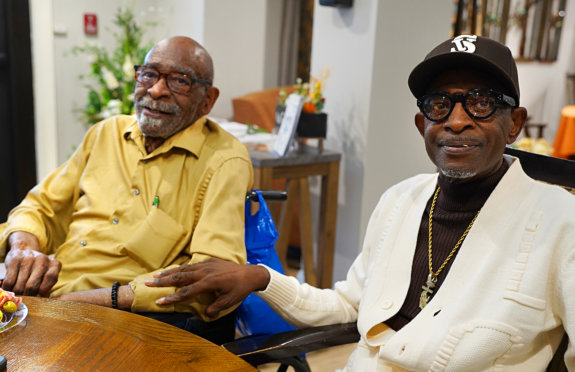
Your loved one may see the same people at breakfast, talk with someone before an activity starts, or sit near familiar residents in a shared space. Over time, those repeated encounters can make the community feel more familiar.
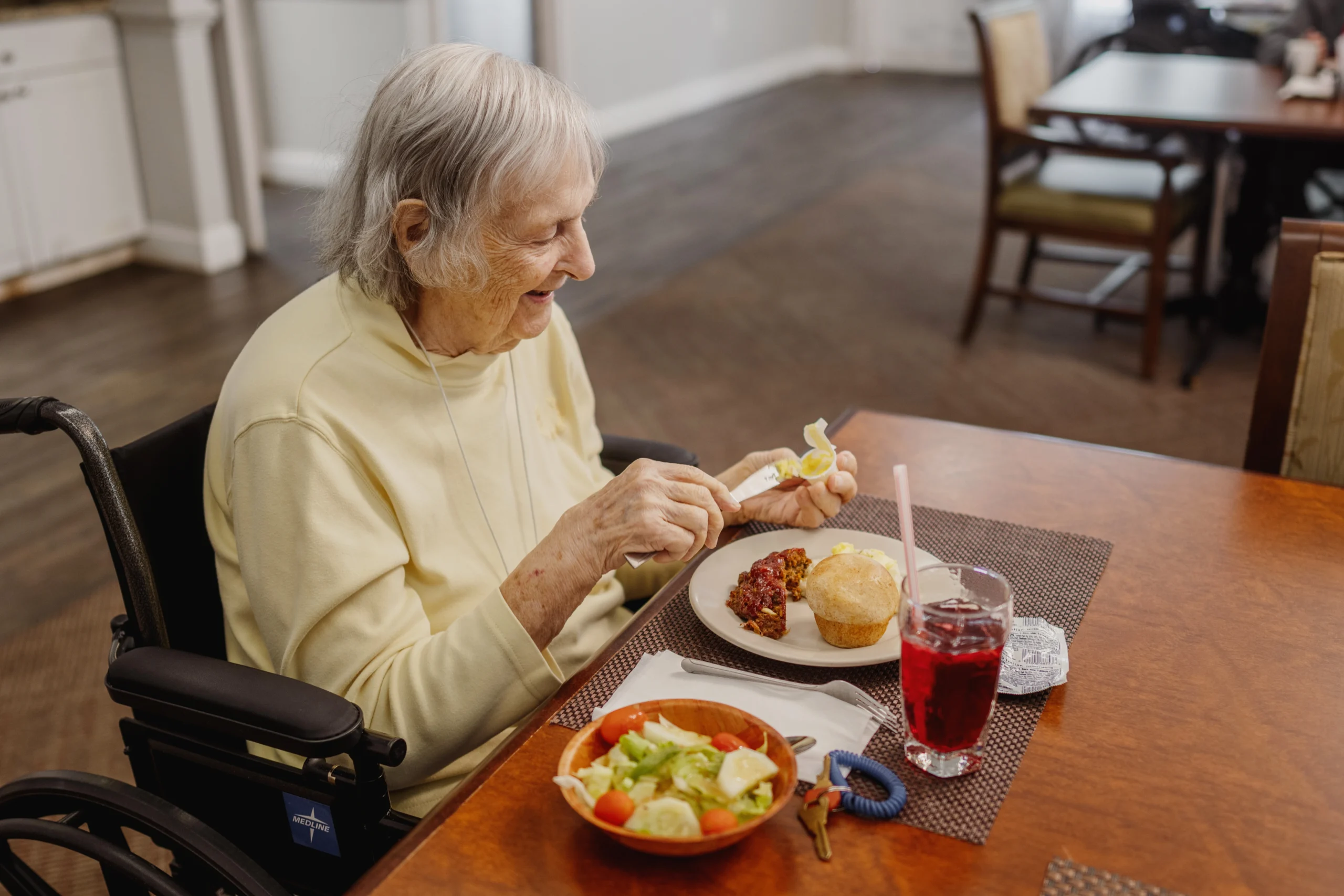
Meals are one example. Sitting near the same people several times a week can make conversation easier because there is already some familiarity.
Activities can help too. Music, crafts, games, light fitness, outings, and seasonal events give residents a reason to gather. The activity itself can make conversation easier because people already have something in common to talk about.
Staff contact is another part of the day. A short conversation during a routine task may suit someone who prefers one-on-one interaction over larger groups.
The point is not to keep your loved one busy all day. It is to make connection easier to access when they want it.
- Choosing Activities That Fit Your Loved One
More activity does not automatically mean a better social life.
Think about how your loved one already prefers to spend time. Someone who enjoys music may look forward to a musical activity or listening with others. Another person may prefer a card game, a craft, or a quiet lunch with a familiar tablemate.
If your loved one has always been reserved, that personality does not disappear after a move. They may need time to get comfortable with new people and new surroundings.
At Serenity Empire Senior Living, we consider each resident’s interests and comfort level when encouraging participation. Someone may start with a shared meal or a familiar activity before deciding whether they want to join a larger event.
Quiet time matters too. A good social routine leaves room for privacy and rest instead of treating every open hour as something that needs to be filled.
- Family Relationships Still Matter After the Move
A move into senior living does not replace the people your loved one already cares about.
Regular visits can help keep familiar routines and traditions going. Phone calls and video calls may work well when distance makes visits harder. Some families enjoy sharing a meal, attending an event, or bringing a favorite hobby into a visit.
There is no single schedule that works for everyone. A dependable weekly call may mean more to one person than several short check-ins. Someone else may enjoy frequent visits and family participation in community activities.
It can also help to share your loved one’s interests with the care team. If they enjoy gospel music, gardening, puzzles, or a certain holiday tradition, those details can help staff suggest activities that may feel familiar.
- What to Look for When Comparing Senior Living Communities
An activity calendar is useful, but it only tells you what is scheduled.
During a visit, look at how people actually spend time together. Are there places where residents can sit and talk without joining a formal activity? Are quieter options available? Do residents have a choice about whether to participate?
The dining room can tell you a lot too. Notice whether people are talking with one another and whether the pace feels comfortable. Shared spaces should make it easy to be around others without making social interaction feel forced.
Social life is one of the things to consider before choosing senior care, along with daily support, living arrangements, location, activities, and how easily family members can stay involved. Looking at those areas together can help you decide whether the community fits your loved one’s usual habits and preferred level of interaction.
If you want to see how residents spend time together and whether the setting feels comfortable for your loved one, you can schedule a tour and experience the community in person.