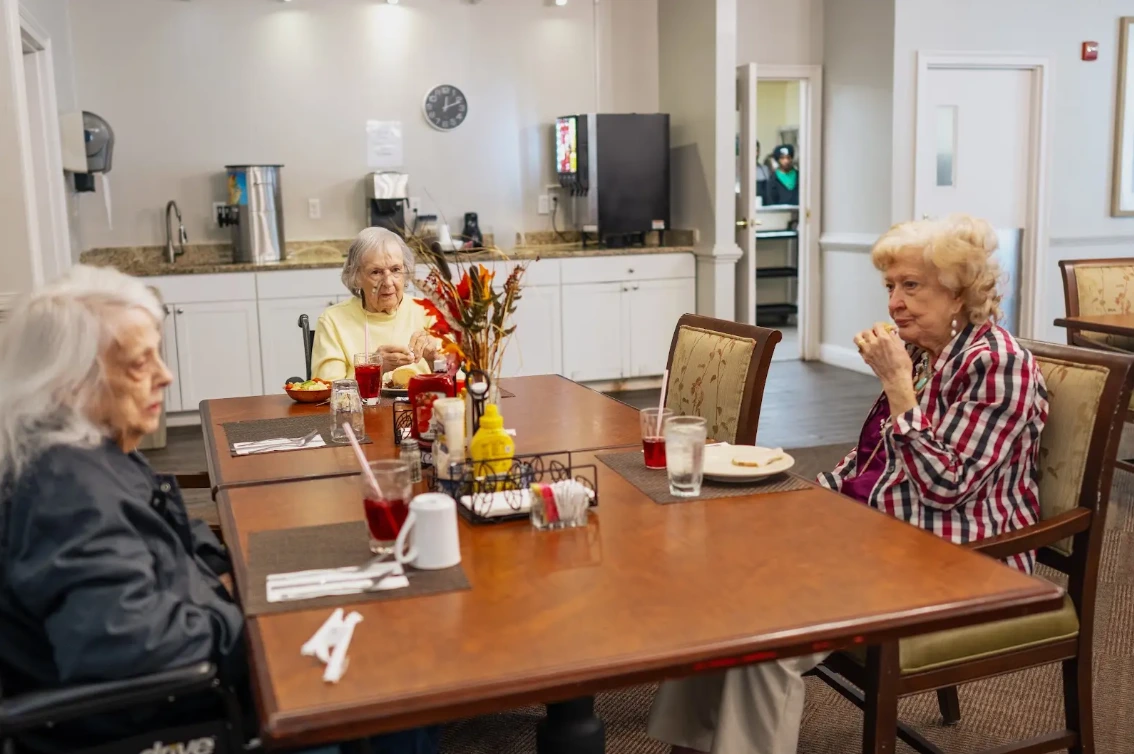
If caring for your loved one is making it difficult to keep up with work, appointments, rest, or other essential responsibilities, respite care may be worth considering. It can provide a temporary stay with personalized care while you manage a change in your schedule, support your loved one after an illness or hospital stay, or take time to consider longer-term care options.
Respite care does not require your loved one to make a permanent move. The length and type of stay should reflect why care is needed, the help your loved one requires, and how long your usual arrangement will be unavailable.
At Serenity Empire Senior Living, we offer respite care stays that may range from one to 90 days, depending on current availability and care arrangements. Each stay can include personalized care, amenities, and activities based on the resident’s needs.
If you are considering respite care for your loved one, checking our respite care services can help you understand the available stay options, personalized care, amenities, and activities.
Five Signs Respite Care May Be the Right Next Step
1. Caregiving Is Interfering With Essential Responsibilities
You may be missing work, postponing appointments, falling behind on household tasks, or struggling to care for other family members because dependable help is not available. A difficult week does not automatically mean you need respite care, but a pattern that cannot be maintained may be a sign that temporary help would be useful.
2. You Have Little Dependable Time for Your Own Needs
You may also need time to rest, attend medical appointments, run errands, or maintain relationships that have been pushed aside. Respite care can give you a set period when your loved one has care and companionship, allowing you to handle responsibilities that cannot always wait.
3. Your Usual Caregiver or Care Arrangement Is Temporarily Unavailable
Travel, schedule changes, home renovations, or another disruption may leave a gap in your normal care plan. Respite care can provide a place for your loved one to stay until the usual arrangement is available again. Confirm the dates, expected length of stay, and services included before making plans.
4. Your Loved One Needs Added Help After an Illness or Hospital Stay
Your loved one may need more assistance with meals, personal routines, or daily activities after returning from a hospital or illness. Respite care may offer a comfortable setting and practical help during this period. It should not be presented as rehabilitation or medical treatment, so ask how the available care matches the needs identified by their healthcare providers.
5. You Need Time to Consider a Longer-Term Care Plan Without Rushing
A temporary respite stay may give you more time to understand your loved one’s routines, care needs, and response to a senior living setting. It does not require a future move to assisted living. If the need for daily assistance is becoming ongoing, it may be helpful to review whether it is time to consider assisted living.
What to Review Before Arranging Respite Care
The right respite arrangement depends on why care is needed, the dates you have in mind, and the help your loved one requires. Before confirming a stay, ask about personal care, medication procedures, meals, dietary considerations, living arrangements, activities, and what belongings should be brought.
Share your loved one’s usual routines, preferences, mobility needs, communication style, and emergency contacts. You should also ask how your family will receive updates and whom to contact with questions during the stay.
At Serenity Empire Senior Living, we can help you review your loved one’s routines, care needs, preferred timing, and the practical details involved in arranging a respite stay.
Respite care is one option within a wider range of senior services. Your loved one’s comfort, current needs, daily routines, and the length of time help is required are also important factors to consider before choosing senior care.
Choosing Support That Fits Your Family’s Current Needs
Recognizing that you need help does not mean you are stepping away from your caregiving role. It means you are looking at what your loved one needs and what you can manage consistently.
A well-planned respite stay should give your loved one appropriate care while giving you time to handle a temporary change, attend to important responsibilities, or make a longer-term decision with more information.
If you need help deciding whether respite care fits your loved one’s current needs, you can contact us to discuss their routines, preferred dates, and care needs with our team.